
ERV System Installation For Improved
Home Comfort
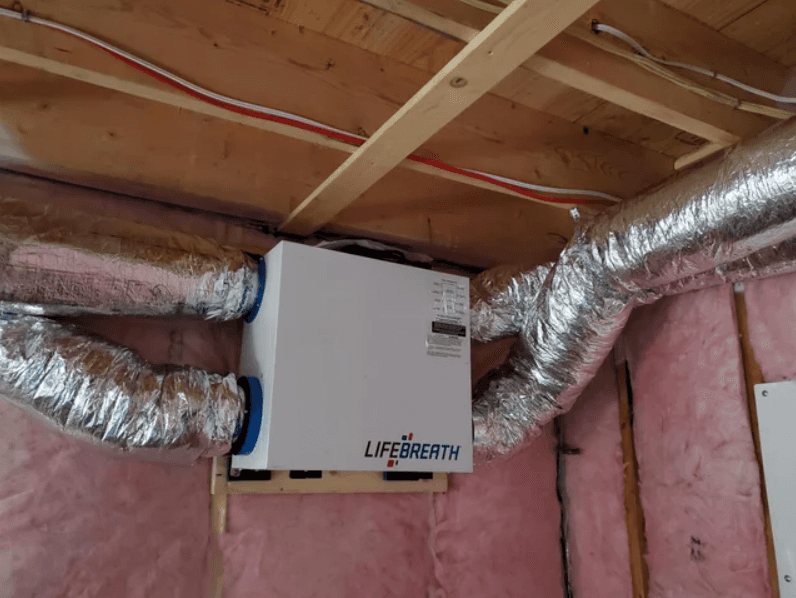
Creating a comfortable and energy-efficient home starts with the right ventilation system. An ERV transfers heat and moisture between incoming and outgoing air, improving indoor air quality and reducing energy loss. Whether you're dealing with high summer humidity or dry winter air, an ERV adapts to your climate and keeps your home balanced.
By continuously replacing stale indoor air with fresh outdoor air, ERVs help prevent mold, reduce CO₂ levels, and maintain consistent airflow. This makes them an excellent choice for homeowners looking to boost comfort while lowering energy costs.
Benefits of ERV Systems
Cleaner, Healthier Air
Reduces Energy Costs Over Time – ERVs transfer heat and moisture between air streams, lowering heating and cooling demand and helping your home use less energy day-to-day.
Energy Star-Rated Options Available – Many ERV systems meet high-efficiency Energy Star standards, ensuring strong performance while cutting unnecessary utility use.
Less Reliance on HVAC Equipment – By recovering heat energy instead of wasting it, your furnace and AC run less often, improving household efficiency and reducing wear on mechanical components.
Energy Efficient Venting
Balances Humidity in Warm Weather – In humid climates, ERVs transfer and release moisture outdoors, helping control condensation and reducing the chance of mold growth.
Warmer, More Comfortable Air in Winter – Incoming fresh air is pre-conditioned before entering your home, reducing cold drafts and improving overall indoor warmth.
Smooth, Stable Indoor Conditions – By regulating both temperature and moisture, ERVs prevent uncomfortable swings in comfort and support more consistent indoor living conditions, creating a healthier, more balanced home environment year-round.
Whole-Home Air Solution
Consistent Temperatures Across Living Areas – The HRV core balances heat transfer between rooms, keeping temperatures more even throughout the house and improving everyday comfort.
Supports Heating Systems, AC & Heat Pumps – Works alongside your HVAC, air conditioners, heat pumps, water heaters, and exhaust fans to maintain proper air movement and ventilation performance.
Reliable Performance with Regular Maintenance – With simple filter cleaning and seasonal servicing, HRVs continue delivering smooth airflow, strong efficiency, and dependable long-term operation.
HRV vs ERV Systems
Which Is Right For You
HRV Systems – Best for Cold Climates
• Ideal for winter ventilation and colder regions like Canada.
• Removes excess indoor humidity to prevent condensation and moisture issues.
• Protects wood floors, windows, and interior finishes from moisture damage.
ERV Systems – Best for Humid Climates
• Transfers moisture between air streams to maintain balanced indoor humidity.
• Reduces dryness in homes that run air conditioning frequently.
• Prevents over-ventilation from removing too much moisture, improving comfort.
How Energy Recovery
Ventilation Systems Work
What an ERV System Does –
An Energy Recovery Ventilation system transfers heat and moisture between incoming and outgoing air, reducing energy loss while improving indoor air quality. Its energy-recovery core balances fresh air intake and stale air exhaust to keep your home comfortable and efficient.
How ERVs Improve Indoor Air –
ERVs regulate temperature, humidity, and airflow, helping prevent excess moisture, mold, and poor circulation. They’re effective in both humid southern Ontario climates and colder northern regions.
How the Technology Works –
Inside the unit, air streams pass through a thermal core without mixing, allowing efficient energy exchange. Sensors and balanced fans adjust airflow in real time for consistent year-round ventilation.
Our ERV Systems Maintenance
Clean Filters Regularly
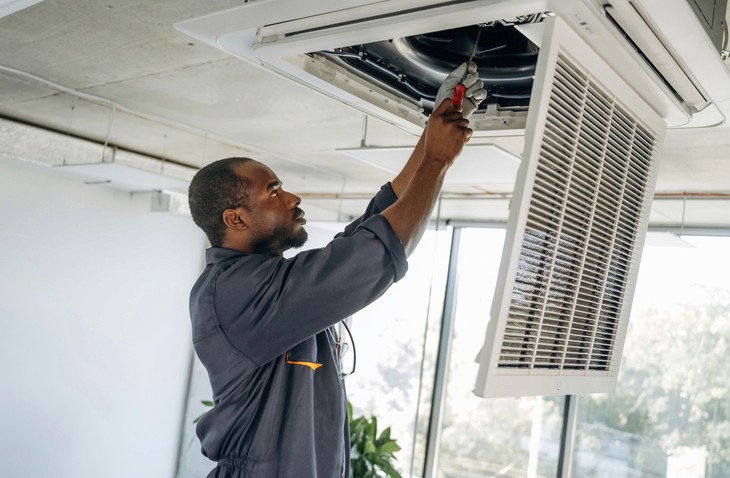
Wash or replace ERV filters every 3–6 months to maintain smooth airflow and prevent dust buildup inside the core and duct pathways.
Inspect Ductwork & Core
Seasonal core flushing and duct inspection help maintain balanced heat exchange, moisture transfer, and efficient ventilation throughout the system.
Check Wall Controls & Fans
Confirm that wall controls, dampers, and internal fans are running quietly and at correct speeds to keep fresh outdoor air circulating evenly.
Schedule Yearly System Tune-Up
A yearly service keeps energy use low, improves indoor comfort, restores airflow efficiency, and supports long-term ERV reliability.
Contact Us For Your ERV Systems Installation
If you want better ventilation, lower energy costs, and year-round comfort, an ERV system is one of the most effective upgrades you can make. Many homeowners notice fresher air, more balanced rooms, and improved humidity control almost immediately. We install ERV systems built for Canadian climates, ensuring efficient airflow, heat transfer, and moisture control through every season.
An ERV is especially helpful if your home feels stuffy, has winter condensation, or struggles with stale air and allergies. Whether you’re renovating or upgrading your ventilation, we size and install the system for smooth, quiet, long-lasting performance. Contact us today to schedule installation and enjoy cleaner, healthier air in every room of your home.
Areas We Serve Across
Mississauga & The GTA
ERV System Installation For Improved Home Comfort
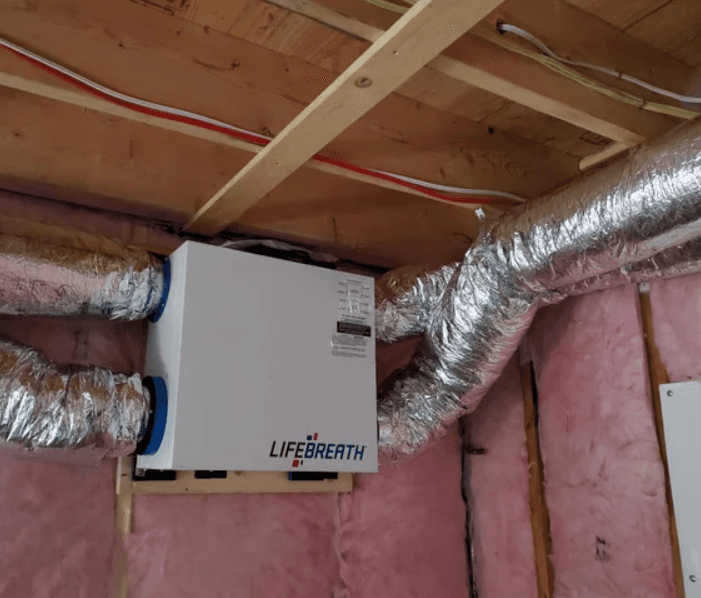
Creating a comfortable and energy-efficient home environment starts with the right ventilation solution. An ERV system is designed to transfer heat and moisture effectively between incoming and outgoing air streams, ensuring better air quality and significant energy savings. Whether you're dealing with high humidity in summer or cold air temperatures in winter, an energy recovery ventilation system can adapt to your needs and provide a healthier, more comfortable indoor space.
By replacing stale indoor air with fresh outdoor air, an ERV system helps prevent mold growth, reduces carbon dioxide levels, and minimizes energy loss. This high-performance air system also improves ventilation rates and optimizes airflow for consistent comfort throughout your home. Discover how an ERV system can transform your living space while reducing energy costs and enhancing overall home comfort.
Benefits of ERV Systems
Cleaner, Healthier Air
Reduces Energy Costs Over Time – ERVs transfer heat and moisture between air streams, lowering heating and cooling demand and helping your home use less energy day-to-day.
Energy Star-Rated Options Available – Many ERV systems meet high-efficiency Energy Star standards, ensuring strong performance while cutting unnecessary utility use.
Less Reliance on HVAC Equipment – By recovering heat energy instead of wasting it, your furnace and AC run less often, improving household efficiency and reducing wear on mechanical components.
Energy Efficient Venting
Balances Humidity in Warm Weather – In humid climates, ERVs transfer and release moisture outdoors, helping control condensation and reducing the chance of mold growth.
Warmer, More Comfortable Air in Winter – Incoming fresh air is pre-conditioned before entering your home, reducing cold drafts and improving overall indoor warmth.
Smooth, Stable Indoor Conditions – By regulating both temperature and moisture, ERVs prevent uncomfortable swings in comfort and support more consistent indoor living conditions, creating a healthier, more balanced home environment year-round.
Whole-Home Air Solution
Consistent Temperatures Across Living Areas – The HRV core balances heat transfer between rooms, keeping temperatures more even throughout the house and improving everyday comfort.
Supports Heating Systems, AC & Heat Pumps – Works alongside your HVAC, air conditioners, heat pumps, water heaters, and exhaust fans to maintain proper air movement and ventilation performance.
Reliable Performance with Regular Maintenance – With simple filter cleaning and seasonal servicing, HRVs continue delivering smooth airflow, strong efficiency, and dependable long-term operation.
Areas We Serve Across Toronto & the GTA
Serving Mississauga and Surrounding Cities With Quality
Furnace, AC and Water Heater Services
HRV vs ERV Systems - Which is Right For You?
HRV and ERV systems both recover heat from outgoing air, improve ventilation, and help manage stale indoor air, but each performs differently depending on climate and humidity. HRV systems are ideal for colder climates, winter ventilation, and homes struggling with excess moisture, condensation, or wood floor protection. They remove humidity rather than recirculating it, making them particularly effective in Canadian winters where dry, cold air meets warm indoor environments. ERV systems perform best in humid climates or homes that run air conditioning frequently, as they transfer moisture between incoming and outgoing airstreams. This reduces dryness, maintains balanced indoor humidity, and prevents over-ventilation from pulling too much moisture out of the air.
How Energy Recovery
Ventilation Systems Work
An energy recovery ventilation system, or ERV system, is an advanced air system designed to transfer heat and moisture between incoming and outgoing air streams. This process minimizes energy loss while maintaining optimal indoor air quality in residential buildings. The system uses components like an energy recovery core and a counter-flow design to ensure efficient energy exchange, even in varying climates. By balancing incoming fresh air with stale indoor air, an ERV system ensures your home remains comfortable, healthy, and energy-efficient.
Unlike traditional ventilation systems that merely circulate air, an ERV system actively regulates air temperature, humidity levels, and airflow rates. This prevents issues like high humidity, mold growth, and poor air circulation, all while reducing overall energy consumption. Whether you live in the humid climates of the southern Ontario or cold climates in the northern regions of Canada, an energy recovery ventilation system is a smart choice for modern homes. Inside the unit, warm and cool air streams pass through a thermal transfer core without ever mixing, allowing energy to move between the two airflow paths efficiently. Sensors and balanced fan motors maintain consistent exchange rates, ensuring the system adapts to seasonal changes and ventilation demand in real time.
If you want better ventilation, lower energy costs, and a more comfortable home through every season, an ERV system is one of the most impactful upgrades you can invest in. Many homeowners notice the difference right away. The air feels fresher, rooms stay more balanced, and humidity becomes easier to manage without constantly adjusting the thermostat. Our team installs energy recovery ventilation systems designed specifically for Canadian weather, built to handle dry winters, humid summers, and everything in between. We take care of the details from sizing to installation to setup, ensuring airflow, heat transfer, and humidity remain steady all year.
An ERV is especially helpful if your home feels stuffy, if you deal with condensation in colder months, or if allergies and stale air tend to linger indoors. Whether you are renovating, improving air quality, or upgrading from a standard exhaust fan, we configure the system for smooth, quiet, efficient performance made to last. Reach out today to schedule installation and experience how much cleaner, lighter, and more breathable your home can feel with fresh air exchanging every hour of the day.
Contact us For Your ERV Systems Installation
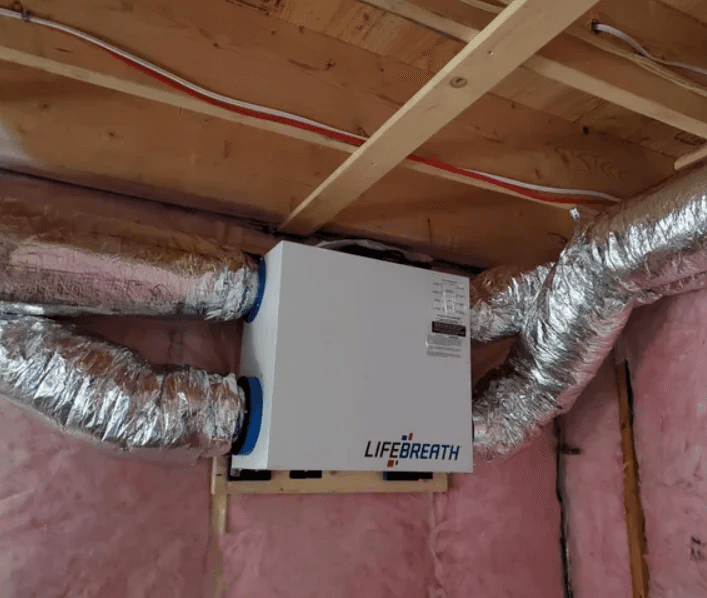
ERV System Installation For Improved Home Comfort
Creating a comfortable and energy-efficient home environment starts with the right ventilation solution. An ERV system is designed to transfer heat and moisture effectively between incoming and outgoing air streams, ensuring better air quality and significant energy savings. Whether you're dealing with high humidity in summer or cold air temperatures in winter, an energy recovery ventilation system can adapt to your needs and provide a healthier, more comfortable indoor space.
By replacing stale indoor air with fresh outdoor air, an ERV system helps prevent mold growth, reduces carbon dioxide levels, and minimizes energy loss. This high-performance air system also improves ventilation rates and optimizes airflow for consistent comfort throughout your home. Discover how an ERV system can transform your living space while reducing energy costs and enhancing overall home comfort.
Benefits Of ERV Systems
Improved Energy Savings & Reduced Energy Costs
Cleaner, Healthier Air
Reduces Energy Costs Over Time – ERVs transfer heat and moisture between air streams, lowering heating and cooling demand and helping your home use less energy day-to-day.
Energy Star-Rated Options Available – Many ERV systems meet high-efficiency Energy Star standards, ensuring strong performance while cutting unnecessary utility use.
Less Reliance on HVAC Equipment – By recovering heat energy instead of wasting it, your furnace and AC run less often, improving household efficiency and reducing wear on mechanical components.
Energy Efficient Venting
Balances Humidity in Warm Weather – In humid climates, ERVs transfer and release moisture outdoors, helping control condensation and reducing the chance of mold growth.
Warmer, More Comfortable Air in Winter – Incoming fresh air is pre-conditioned before entering your home, reducing cold drafts and improving overall indoor warmth.
Smooth, Stable Indoor Conditions – By regulating both temperature and moisture, ERVs prevent uncomfortable swings in comfort and support more consistent indoor living conditions, creating a healthier, more balanced home environment year-round.
Whole-Home Air Solution
Consistent Temperatures Across Living Areas – The HRV core balances heat transfer between rooms, keeping temperatures more even throughout the house and improving everyday comfort.
Supports Heating Systems, AC & Heat Pumps – Works alongside your HVAC, air conditioners, heat pumps, water heaters, and exhaust fans to maintain proper air movement and ventilation performance.
Reliable Performance with Regular Maintenance – With simple filter cleaning and seasonal servicing, HRVs continue delivering smooth airflow, strong efficiency, and dependable long-term operation.
HRV vs ERV Systems — Which is Right For You
HRV and ERV systems both recover heat from outgoing air, improve ventilation, and help manage stale indoor air, but each performs differently depending on climate and humidity. HRV systems are ideal for colder climates, winter ventilation, and homes struggling with excess moisture, condensation, or wood floor protection. They remove humidity rather than recirculating it, making them particularly effective in Canadian winters where dry, cold air meets warm indoor environments. ERV systems perform best in humid climates or homes that run air conditioning frequently, as they transfer moisture between incoming and outgoing airstreams. This reduces dryness, maintains balanced indoor humidity, and prevents over-ventilation from pulling too much moisture out of the air.

How Energy Recovery Ventilation
Systems Work
An energy recovery ventilation system, or ERV system, is an advanced air system designed to transfer heat and moisture between incoming and outgoing air streams. This process minimizes energy loss while maintaining optimal indoor air quality in residential buildings. The system uses components like an energy recovery core and a counter-flow design to ensure efficient energy exchange, even in varying climates. By balancing incoming fresh air with stale indoor air, an ERV system ensures your home remains comfortable, healthy, and energy-efficient.
Unlike traditional ventilation systems that merely circulate air, an ERV system actively regulates air temperature, humidity levels, and airflow rates. This prevents issues like high humidity, mold growth, and poor air circulation, all while reducing overall energy consumption. Whether you live in the humid climates of the southern Ontario or cold climates in the northern regions of Canada, an energy recovery ventilation system is a smart choice for modern homes. Inside the unit, warm and cool air streams pass through a thermal transfer core without ever mixing, allowing energy to move between the two airflow paths efficiently. Sensors and balanced fan motors maintain consistent exchange rates, ensuring the system adapts to seasonal changes and ventilation demand in real time.
Our ERV Systems Maintenance
Clean Filters Regularly
Wash or replace ERV filters every 3–6 months to maintain smooth airflow and prevent dust buildup inside the core and duct pathways.
Inspect Ductwork & Core
Seasonal core flushing and duct inspection help maintain balanced heat exchange, moisture transfer, and efficient ventilation throughout the system.
Check Wall Controls & Fans
Confirm that wall controls, dampers, and internal fans are running quietly and at correct speeds to keep fresh outdoor air circulating evenly.
Schedule Yearly System Tune-Up
A yearly service keeps energy use low, improves indoor comfort, restores airflow efficiency, and supports long-term ERV reliability.
Contact Us For Your ERV Systems Installation
If you want better ventilation, lower energy costs, and a more comfortable home through every unpredictable Mississauga season, an ERV system is one of the most impactful upgrades you can invest in. Many homeowners notice the difference right away. The air feels fresher, rooms stay more balanced, and humidity becomes easier to manage without constantly adjusting the thermostat. Our team installs energy recovery ventilation systems designed specifically for Canadian weather, built to handle dry winters, humid summers, and everything in between. We take care of the details from sizing to installation to setup, ensuring airflow, heat transfer, and humidity remain steady all year.
An ERV is especially helpful if your home feels stuffy, if you deal with condensation in colder months, or if allergies and stale air tend to linger indoors. Whether you are renovating, improving air quality, or upgrading from a standard exhaust fan, we configure the system for smooth, quiet, efficient performance made to last. Reach out today to schedule installation and experience how much cleaner, lighter, and more breathable your home can feel with fresh air exchanging every hour of the day.
Book Your HVAC Service Now
Email Address:
Phone Number:
Office Address:
Follow Us:


Book Your HVAC Service Now
Email Address:
Phone Number:
Follow Us:
Book Your HVAC Service Now
Email Address:
Phone Number:
Office Address:
Follow Us: