HRV Systems For Improved Indoor
Air Quality
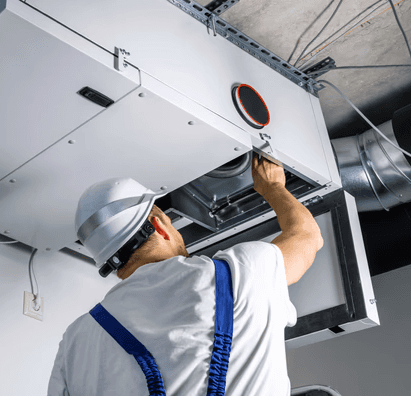
A Heat Recovery Ventilation (HRV) system is an efficient way to improve indoor air quality by replacing stale indoor air with fresh outdoor air while recovering heat through a heat-exchange core. This balanced ventilation reduces energy consumption and is especially effective in colder climates across North America.
HRV systems integrate seamlessly with existing HVAC equipment, helping manage airflow, humidity, and overall comfort in both modern and older homes. For homeowners needing additional moisture control, ERV systems offer similar heat recovery benefits while better balancing indoor humidity making it ideal for humid summers or tightly sealed homes.
Benefits Of HRV Systems For
Improved Indoor Air Quality
Cleaner, Healthier Air
Removes Stale Indoor Air & VOCs
HRVs replace stagnant inside air with fresh outdoor air, helping reduce volatile organic compounds, pollutants, and lingering odors throughout your living space.
Improves Indoor Humidity Control
Balanced airflow helps prevent excess moisture, condensation, and mold growth, especially in tightly-sealed, energy-efficient homes.
Better Airflow for Home Comfort
By managing ventilation rate and maintaining steady airflow through the ductwork and HVAC system, HRVs support cleaner breathing conditions year-round.
Energy Efficient Venting
Recovers Heat Energy Instead of Wasting It - Heat recovery ventilation systems transfer heat between incoming fresh air and outgoing stale air, reducing energy loss during colder months.
Lowers Energy Bills Over Time -
Because less heat escapes, the heating system and air conditioner work less, reducing energy use and helping maintain stable indoor comfort.
Ideal for Passive House & Modern Builds - HRV systems are optimized for airtight construction, providing proper ventilation without sacrificing efficiency or raising energy consumption.
Whole-Home Air Solution
Consistent Temperatures Across Living Areas - Heat transfer through the HRV core helps maintain even temperatures from the living room to bedrooms, improving comfort throughout the home.
Supports Heating Systems, AC & Heat Pumps - HRVs work alongside your HVAC system, air conditioning system, water heaters, and exhaust fans for complete indoor ventilation performance.
Reliable Performance with Regular Maintenance - With simple filter care and seasonal servicing, HRVs help maintain optimal performance, airflow, and energy efficiency for years.
HRV vs ERV Systems
Which Is Right For You
HRV Systems – Best for Cold Climates
• Ideal for colder regions like Canada where homes need winter ventilation.
• Removes excess indoor humidity, helping prevent condensation, window moisture, and wood floor damage.
• Provides fresh air while recovering heat, keeping the home comfortable without raising energy use.
ERV Systems – Best for Humid Climates
• Designed for warm or humid environments where air conditioning runs frequently.
• Transfers moisture between air streams to prevent indoor dryness and maintain balanced humidity.
• Reduces over-ventilation, helping your HVAC system work more efficiently while improving indoor comfort.
How Heat Recovery
Ventilation Systems Work
How an HRV System Works –
An HRV uses two controlled air streams moving in opposite directions: fresh outdoor air enters while stale indoor air is exhausted. The heat recovery core transfers heat from outgoing air to incoming air without mixing the two streams, preserving efficiency.
Year-Round Comfort & Efficiency –
In winter, the HRV gently preheats incoming air, reducing strain on your furnace. During warmer seasons, it lowers the temperature of incoming air, helping reduce the load on your air conditioner and improving overall energy performance.
Balanced Ventilation for the Whole Home – By maintaining consistent airflow, HRVs support stable indoor humidity, cleaner air, and lower HVAC workload. Units are typically installed near your furnace or main HVAC system and include wall controls for adjusting fan speed, ventilation, and humidity levels throughout the home.
Our HRV Systems Maintenance
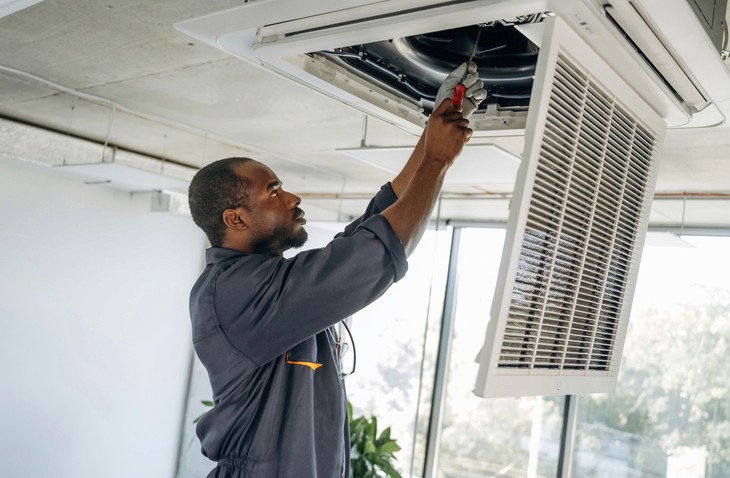
Clean Filters Regularly
Wash or replace filters every 3–6 months to maintain airflow and prevent dust buildup inside the system.
Inspect Ductwork & Core
Seasonal core cleaning and ductwork inspection ensure smooth heat transfer and balanced ventilation.
Check Wall Controls + Fans
Verify quiet operation and proper fan speed to keep fresh outdoor air moving efficiently through the home.
Schedule Yearly System Tune-Up
A yearly inspection keeps energy bills low, improves indoor comfort, and extends HRV lifespan.
Contact Us For Your HRV Systems Installation
If you want fresher indoor air, lower energy bills, and year-round comfort, schedule your HRV installation with Real Deal HVAC. We install high-efficiency Heat Recovery Ventilation systems built for Canadian climates and determine whether an HRV or ERV is the best fit for your home’s airflow and humidity needs. From new builds to airtight homes and renovations, we deliver reliable installation, balanced air circulation, and healthier indoor air.
Contact us today to request an assessment, compare HRV and ERV options, or book your installation. Real Deal HVAC is here to help you breathe easier.
Areas We Serve Across
Mississauga & The GTA
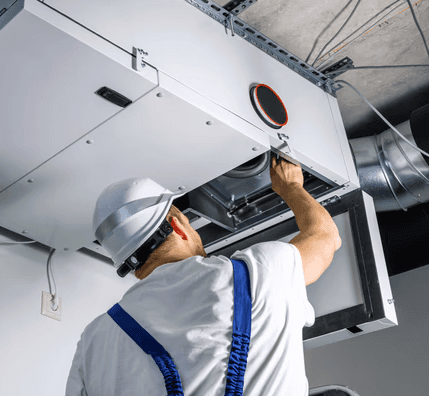
HRV Systems For Improved Indoor
Air Quality
A Heat Recovery Ventilation (HRV) system is one of the most effective ways to improve indoor air quality, reduce stale indoor air, and maintain a comfortable living space year-round. HRVs bring in fresh outdoor air while exhausting outgoing air through a heat exchange core, recovering heat energy that would otherwise be lost and lowering energy consumption in the process. For North American homes, especially in colder climates, HRV technology has become the best choice for balanced ventilation and long-term energy savings.
Whether you are upgrading a modern home or addressing airflow and humidity issues in an older one, an HRV system offers a high-efficiency solution designed to work with existing HVAC systems, air conditioning, and heating equipment. For homeowners who need more humidity control, ERV systems (Energy Recovery Ventilation) provide similar heat recovery with added moisture balance, making them ideal for humid summers or tighter, energy-efficient homes.
Benefits of HRV Systems For
Improved Indoor Air Quality
Cleaner, Healthier Air
Removes Stale Indoor Air & VOCs
HRVs replace stagnant inside air with fresh outdoor air, helping reduce volatile organic compounds, pollutants, and lingering odors throughout your living space.
Improves Indoor Humidity Control
Balanced airflow helps prevent excess moisture, condensation, and mold growth, especially in tightly-sealed, energy-efficient homes.
Better Airflow for Home Comfort
By managing ventilation rate and maintaining steady airflow through the ductwork and HVAC system, HRVs support cleaner breathing conditions year-round.
Energy Efficient Venting
Recovers Heat Energy Instead of Wasting It - Heat recovery ventilation systems transfer heat between incoming fresh air and outgoing stale air, reducing energy loss during colder months.
Lowers Energy Bills Over Time -
Because less heat escapes, the heating system and air conditioner work less, reducing energy use and helping maintain stable indoor comfort.
Ideal for Passive House & Modern Builds - HRV systems are optimized for airtight construction, providing proper ventilation without sacrificing efficiency or raising energy consumption.
Whole-Home Air Solution
Consistent Temperatures Across Living Areas - Heat transfer through the HRV core helps maintain even temperatures from the living room to bedrooms, improving comfort throughout the home.
Supports Heating Systems, AC & Heat Pumps - HRVs work alongside your HVAC system, air conditioning system, water heaters, and exhaust fans for complete indoor ventilation performance.
Reliable Performance with Regular Maintenance - With simple filter care and seasonal servicing, HRVs help maintain optimal performance, airflow, and energy efficiency for years.
Areas We Serve Across Toronto & the GTA
Proudly Serving Mississauga and Surrounding Cities With Quality Furnace,
AC and Water Heater Services You Can Always Depend On
HRV vs ERV Systems — Which is Right For You
HRV Systems – Best for Cold Climates
• Ideal for colder regions like Canada where homes need winter ventilation.
• Removes excess indoor humidity, helping prevent condensation, window moisture, and wood floor damage.
• Provides fresh air while recovering heat, keeping the home comfortable without raising energy use.
ERV Systems – Best for Humid Climates
• Designed for warm or humid environments where air conditioning runs frequently.
• Transfers moisture between air streams to prevent indoor dryness and maintain balanced humidity.
• Reduces over-ventilation, helping your HVAC system work more efficiently while improving indoor comfort.
How Heat Recovery Ventilation Systems Work
A Heat Recovery Ventilation system operates using two controlled air streams that move in opposite directions, fresh outdoor air entering the home while stale indoor air is exhausted outside. Inside the HRV unit, the heat recovery core transfers heat energy from the outgoing air into the incoming supply stream so the two never mix, but heat is still retained. In winter, this process helps warm the air before it enters the home, while in warmer seasons it works to reduce the load on your air conditioner by lowering the temperature of incoming air. The result is less strain on your heating and cooling equipment, more consistent airflow, and stable ventilation throughout the year. Most HRV systems are installed near the furnace, water heater, or main HVAC equipment, with wall controls that allow you to adjust fan speed, ventilation levels, and indoor humidity for balanced comfort across the entire home.
If you want fresher indoor air, lower energy bills, and a more comfortable home all year, schedule your HRV installation with Real Deal HVAC. Our team installs high-efficiency Heat Recovery Ventilation systems built for Canadian climates, and we can determine whether an HRV or ERV is the right choice for your airflow and humidity needs. From new builds to modern airtight homes, renovations, and upgrades to existing HVAC equipment, we deliver reliable installation, balanced air circulation, and healthier indoor air for your household.
Get in touch with us today to request an assessment, compare HRV vs ERV options, or book your installation. Real Deal HVAC is ready to help you breathe easier.
Contact us For Your HRV Systems Installation
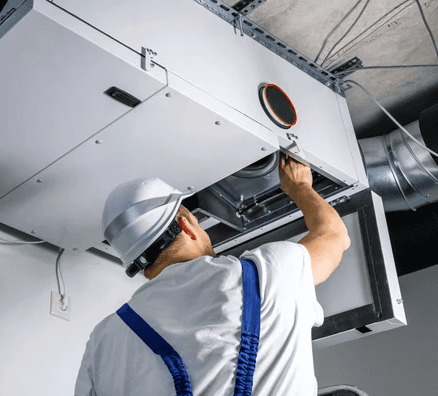
HRV Systems For Improved Indoor Air Quality
A Heat Recovery Ventilation (HRV) system is one of the most effective ways to improve indoor air quality, reduce stale indoor air, and maintain a comfortable living space year-round. HRVs bring in fresh outdoor air while exhausting outgoing air through a heat exchange core, recovering heat energy that would otherwise be lost and lowering energy consumption in the process. For North American homes, especially in colder climates, HRV technology has become the best choice for balanced ventilation and long-term energy savings.
Whether you are upgrading a modern home or addressing airflow and humidity issues in an older one, an HRV system offers a high-efficiency solution designed to work with existing HVAC systems, air conditioning, and heating equipment. For homeowners who need more humidity control, ERV systems (Energy Recovery Ventilation) provide similar heat recovery with added moisture balance, making them ideal for humid summers or tighter, energy-efficient homes.
Benefits of HRV Systems For Improved Indoor Air Quality
Balanced Ventilation and Fresher Air In Every Room Of Your Home
Cleaner, Healthier Air
Removes Stale Indoor Air & VOCs
HRVs replace stagnant inside air with fresh outdoor air, helping reduce volatile organic compounds, pollutants, and lingering odors throughout your living space.
Improves Indoor Humidity Control
Balanced airflow helps prevent excess moisture, condensation, and mold growth, especially in tightly-sealed, energy-efficient homes.
Better Airflow for Home Comfort
By managing ventilation rate and maintaining steady airflow through the ductwork and HVAC system, HRVs support cleaner breathing conditions year-round.
Energy Efficient Venting
Recovers Heat Energy Instead of Wasting It - Heat recovery ventilation systems transfer heat between incoming fresh air and outgoing stale air, reducing energy loss during colder months.
Lowers Energy Bills Over Time -
Because less heat escapes, the heating system and air conditioner work less, reducing energy use and helping maintain stable indoor comfort.
Ideal for Passive House & Modern Builds - HRV systems are optimized for airtight construction, providing proper ventilation without sacrificing efficiency or raising energy consumption.
Whole-Home Air Solution
Consistent Temperatures Across Living Areas - Heat transfer through the HRV core helps maintain even temperatures from the living room to bedrooms, improving comfort throughout the home.
Supports Heating Systems, AC & Heat Pumps - HRVs work alongside your HVAC system, air conditioning system, water heaters, and exhaust fans for complete indoor ventilation performance.
Reliable Performance with Regular Maintenance - With simple filter care and seasonal servicing, HRVs help maintain optimal performance, airflow, and energy efficiency for years.
HRV vs ERV Systems — Which is Right For You
HRV Systems – Best for Cold Climates
• Ideal for colder regions like Canada where homes need winter ventilation.
• Removes excess indoor humidity, helping prevent condensation, window moisture, and wood floor damage.
• Provides fresh air while recovering heat, keeping the home comfortable without raising energy use.
ERV Systems – Best for Humid Climates
• Designed for warm or humid environments where air conditioning runs frequently.
• Transfers moisture between air streams to prevent indoor dryness and maintain balanced humidity.
• Reduces over-ventilation, helping your HVAC system work more efficiently while improving indoor comfort.

How Heat Recovery Ventilation
Systems Work
A Heat Recovery Ventilation system operates using two controlled air streams that move in opposite directions, fresh outdoor air entering the home while stale indoor air is exhausted outside. Inside the HRV unit, the heat recovery core transfers heat energy from the outgoing air into the incoming supply stream so the two never mix, but heat is still retained. In winter, this process helps warm the air before it enters the home, while in warmer seasons it works to reduce the load on your air conditioner by lowering the temperature of incoming air. The result is less strain on your heating and cooling equipment, more consistent airflow, and stable ventilation throughout the year. Most HRV systems are installed near the furnace, water heater, or main HVAC equipment, with wall controls that allow you to adjust fan speed, ventilation levels, and indoor humidity for balanced comfort across the entire home.
Our HRV Systems Maintenance
Clean Filters Regularly
Wash or replace filters every 3–6 months to maintain airflow and prevent dust buildup inside the system.
Inspect Ductwork & Core
Seasonal core cleaning and ductwork inspection ensure smooth heat transfer and balanced ventilation.
Check Wall Controls + Fans
Verify quiet operation and proper fan speed to keep fresh outdoor air moving efficiently through the home.
Schedule Yearly System Tune-Up
A yearly inspection keeps energy bills low, improves indoor comfort, and extends HRV lifespan.
Contact Us For Your HRV Systems Installation
If you want fresher indoor air, lower energy bills, and a more comfortable home all year, schedule your HRV installation with Real Deal HVAC. Our certified technicians install high-efficiency Heat Recovery Ventilation systems designed for Canadian weather, allowing your home to receive consistent fresh air without losing the warmth or cooling you have already paid for. Whether you are upgrading an older home, planning a renovation, finishing a basement, or improving the air quality in a newer airtight build, we help you choose the right ventilation solution based on your space, layout, and lifestyle. With the right HRV or ERV system, you can enjoy balanced humidity, cleaner circulation, fewer indoor odours, and noticeably improved comfort every season.
We make the process simple. Our team handles assessment, installation, and system setup, ensuring your home is prepared for proper airflow and long-term energy efficiency. You receive fresher air, lower strain on your HVAC equipment, and healthier breathing conditions for you and your family.
Get in touch with us today to request an assessment, compare HRV versus ERV options, or book your installation. Real Deal HVAC is ready to help you breathe easier and see real improvements in your home's air quality. If you are considering HRV Systems For Improved Indoor Air Quality, this is the right time to move forward. Call us today to speak with a specialist, ask questions, or schedule a home visit.
Book Your HVAC Service Now
Email Address:
Phone Number:
Office Address:
Follow Us:


Book Your HVAC Service Now
Email Address:
Phone Number:
Follow Us:
Book Your HVAC Service Now
Email Address:
Phone Number:
Office Address:
Follow Us: