Gas Leak Detection & Repair Services
In Toronto
When you need expert gas line installation or repair in Mississauga, Real Deal HVAC delivers safe, professional service for both residential and commercial projects. Whether you're adding a new gas line for a stove or dryer or upgrading an existing connection, our certified technicians ensure every job is completed to the highest safety standards.
Get started with a free quote and speak with our knowledgeable team about your installation or repair needs. Call us today to schedule your service and experience reliable, high-quality gas line solutions from Real Deal HVAC.
Gas Leak Signs & Symptoms
Smells & Sounds
Rotten Egg or Sulfur Smell
A strong sulfur smell in your home is the clearest indicator that natural gas is escaping somewhere in the system.
Hissing Near Gas Lines
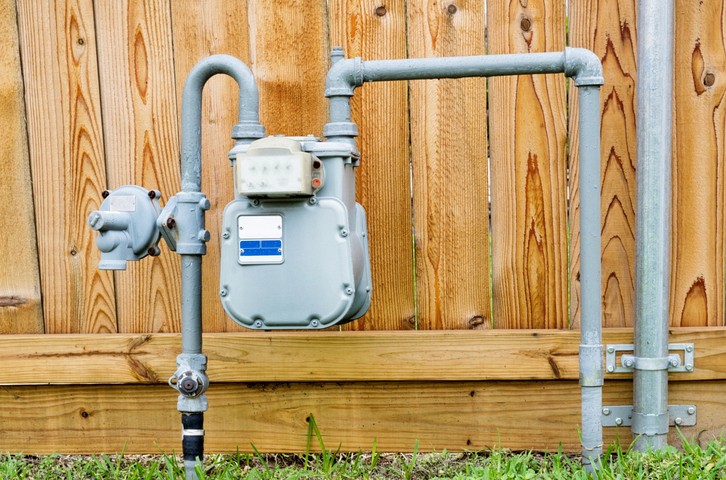
A hissing or whistling noise around gas lines, fittings, or the gas meter often means gas is leaking under pressure.
Gas Odor Around Appliances
If the smell is strongest near your furnace, stove, water heater, or fireplace, the leak may be coming from a connection or valve.
Appliance Warning Signs
Unstable or Red Pilot Light
A flickering, weak, or red pilot light on your household appliances can signal poor combustion or a nearby gas leak.
Unexpected Gas Bill Increase
A sudden spike in your gas bill without increased use can point to a hidden leak in your home’s gas lines.
Dead Plants Above Lines
Discoloured or dying plants above buried gas pipelines may indicate gas escaping underground. If you notice any of these signs, call Real Deal HVAC immediately.
Visual Signs
Dust or Air Movement Around Gas Lines
A dust cloud, blowing soil, or unusual air movement near a gas line can point to a break or loose fitting.
Bubbling or Disturbed Ground
Outdoor leaks can cause bubbling water, shifts in soil, or small disturbances around underground gas lines.
Gas Smell Near the Meter
If the odor is strongest around the gas meter or shutoff valve, the leak may be coming from the supply line.
What To Do If You Suspect
A Gas Leak
What To Do If You Suspect a Gas Leak
If you notice a gas smell or suspect a leak, follow these essential safety steps immediately.
• Evacuate Right Away – Leave the home quickly and move everyone to a safe distance. Avoid using light switches, phones, or anything that can spark.
• Avoid Flames & Engines – Do not smoke, light matches, or start your car. Even small ignition sources can trigger an explosion.
• Call Emergency Services – Once safely outside, contact your gas utility’s emergency line or the fire department to report the leak.
• Schedule Professional Repairs – After authorities confirm the area is safe, Real Deal HVAC can inspect, repair, and restore your natural gas system.
For prevention, ensure carbon monoxide detectors, smoke alarms, and gas leak detectors are installed and functioning properly.
What Causes Gas Leaks
Across Toronto Homes
Many gas leaks begin with conditions that develop slowly over time, especially in older homes where the natural gas system has been exposed to years of wear. As gas pipelines age, corrosion, rust, and weakened fossil-fuel piping materials can create tiny openings that allow natural gas to escape without being immediately noticeable. Valves and seals also deteriorate with use, and even a small amount of wear can lead to inconsistent pressure or a gradual leak.
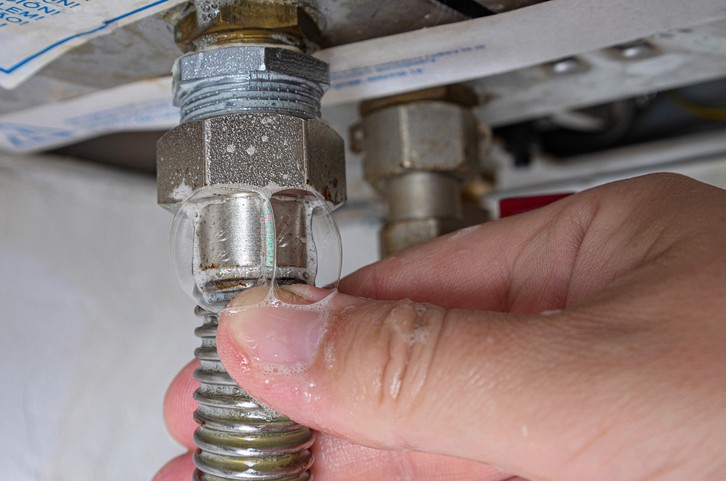
Loose or poorly fitted connections on furnaces, stoves, water heaters, fireplaces, and other household appliances are another common source of leaks. These appliances run frequently throughout the year, and small shifts, vibration, or temperature changes can cause fittings to loosen. In many cases, the leak remains hidden until the sulfur smell becomes strong or a hissing sound is heard near the appliance.
Environmental factors play a large role as well. Extreme weather, rapid temperature swings, or shifting ground pressure can stress outdoor gas lines and fittings, increasing the chance of cracks or weakened joints. Poor ventilation inside the home may also contribute to carbon dioxide buildup and create unsafe conditions around natural gas appliances.
During our inspection, we look beyond the leak itself. Our team identifies the exact point of failure and determines what caused it, whether it was aging components, appliance issues, or environmental stress. This approach ensures your home stays safe long-term and reduces the chance of the problem returning.
Common Gas Leak Causes
Aging or Damaged Gas Lines
Older or corroded gas pipelines, worn fossil-fuel piping materials, and damaged valves can let natural gas escape into your home over time.
Loose or Faulty Appliance Connections
Household appliances such as furnaces, stoves, water heaters, and fireplaces can develop loose fittings or malfunctioning parts that lead to slow, hidden leaks.
Pressure or Ventilation Problems
Extreme weather, shifting ground pressure, and poor ventilation can cause carbon dioxide buildup and stress your natural gas system, increasing the risk of leaks.
Contact Us If You Suspect
A Gas Leak
Upgrading your home’s heating system with professional boiler installation can make a world of difference in both comfort and efficiency. Whether you’re dealing with an old boiler that struggles to meet your heating needs or you’re looking to take advantage of high-efficiency boilers, a new boiler installation is a worthwhile investment. Not only will you enjoy consistent heat and hot water, but you’ll also see significant savings on energy bills over time.
Our licensed technicians are skilled in handling all types of heating installations, including condensing boilers, water heaters, and floor heating systems. By assessing your current piping, gas supply, and water pressure, we ensure a perfect fit for your home. A professionally installed boiler not only improves energy efficiency but also enhances your overall home comfort by providing reliable and even heating throughout every room.
Areas We Serve Across
Mississauga & The GTA
Gas Leak Detection & Repair Services
In Toronto
A gas leak in your home is a serious emergency that can put your loved ones at risk. Whether you notice the sulphur or rotten eggs smell, hear a hissing sound, or feel physical symptoms, a suspected gas leak must be handled immediately. Real Deal HVAC provides fast leak detection, natural gas leak repair, and full natural gas safety inspections across Toronto and the GTA.
Our licensed gas technicians work on gas lines, gas pipelines, gas water heaters, gas furnaces, and all natural gas appliances to restore your home’s safety. With advanced tools, certified expertise, and Toronto’s unpredictable extreme weather, we ensure your entire natural gas system is safe and functioning properly.
Gas Leak Signs & Symptoms
Smells & Sounds
Rotten Egg or Sulfur Smell
A strong sulfur smell in your home is the clearest indicator that natural gas is escaping somewhere in the system.
Hissing Near Gas Lines
A hissing or whistling noise around gas lines, fittings, or the gas meter often means gas is leaking under pressure.
Gas Odor Around Appliances
If the smell is strongest near your furnace, stove, water heater, or fireplace, the leak may be coming from a connection or valve.
Appliance Warning Signs
Unstable or Red Pilot Light
A flickering, weak, or red pilot light on your household appliances can signal poor combustion or a nearby gas leak.
Unexpected Gas Bill Increase
A sudden spike in your gas bill without increased use can point to a hidden leak in your home’s gas lines.
Dead Plants Above Lines
Discoloured or dying plants above buried gas pipelines may indicate gas escaping underground. If you notice any of these signs, call Real Deal HVAC immediately.
Visual Signs
Dust or Air Movement Around Gas Lines
A dust cloud, blowing soil, or unusual air movement near a gas line can point to a break or loose fitting.
Bubbling or Disturbed Ground
Outdoor leaks can cause bubbling water, shifts in soil, or small disturbances around underground gas lines.
Gas Smell Near the Meter
If the odor is strongest around the gas meter or shutoff valve, the leak may be coming from the supply line.
Areas We Serve Across Toronto & the GTA
Proudly Serving Mississauga and Surrounding Cities With Quality Furnace,
AC and Water Heater Services You Can Always Depend On
What To Do If You Suspect A Gas Leak
If you suspect a gas leak inside your home, it’s important to act quickly and follow proper safety steps. Start by evacuating the house and moving everyone a safe distance away, avoiding the use of light switches, cell phones, or anything that could create a spark. Stay clear of open flames, avoid smoking, and do not start your car. If it can be done safely, shut off the gas shutoff valve before calling your utility company or the gas company emergency number to report the issue. If you cannot leave safely, contact the fire department for assistance. Once authorities confirm it is safe to re-enter, Real Deal HVAC can provide a full inspection and complete repair to restore your home’s natural gas safety. To help prevent emergencies, keep smoke alarms, carbon monoxide detectors, and smoke detectors in working order on every level of your home, keep a fire extinguisher accessible, and consider installing a dedicated gas leak detector for added protection.
What Causes Gas Leaks Across Toronto Homes
Many gas leaks begin with conditions that develop slowly over time, especially in older homes where the natural gas system has been exposed to years of wear. As gas pipelines age, corrosion, rust, and weakened fossil-fuel piping materials can create tiny openings that allow natural gas to escape without being immediately noticeable. Valves and seals also deteriorate with use, and even a small amount of wear can lead to inconsistent pressure or a gradual leak.
Loose or poorly fitted connections on furnaces, stoves, water heaters, fireplaces, and other household appliances are another common source of leaks. These appliances run frequently throughout the year, and small shifts, vibration, or temperature changes can cause fittings to loosen. In many cases, the leak remains hidden until the sulfur smell becomes strong or a hissing sound is heard near the appliance.
Environmental factors play a large role as well. Extreme weather, rapid temperature swings, or shifting ground pressure can stress outdoor gas lines and fittings, increasing the chance of cracks or weakened joints. Poor ventilation inside the home may also contribute to carbon dioxide buildup and create unsafe conditions around natural gas appliances.
During our inspection, we look beyond the leak itself. Our team identifies the exact point of failure and determines what caused it, whether it was aging components, appliance issues, or environmental stress. This approach ensures your home stays safe long-term and reduces the chance of the problem returning.
Upgrade your home’s water system by choosing our expert tankless water heater installation services in Toronto. Whether you need to replace an old water heater or install a new tankless system, our team is ready to help you enjoy reliable hot water, lower energy bills, and peace of mind.
Call today or book online to schedule your professional installation. We proudly serve Toronto and surrounding areas, offering top-rated HVAC services and service guarantees to ensure your complete satisfaction.
Contact Us If You Suspect a Gas Leak
Gas Leak Detection & Repair Services In Toronto
A gas leak in your home is a serious emergency that can put your loved ones at risk. Whether you notice the sulphur or rotten eggs smell, hear a hissing sound, or feel physical symptoms, a suspected gas leak must be handled immediately. Real Deal HVAC provides fast leak detection, natural gas leak repair, and full natural gas safety inspections across Toronto and the GTA.
Our licensed gas technicians work on gas lines, gas pipelines, gas water heaters, gas furnaces, and all natural gas appliances to restore your home’s safety. With advanced tools, certified expertise, and Toronto’s unpredictable extreme weather, we ensure your entire natural gas system is safe and functioning properly.
Gas Leak Signs & Symptoms
Common Gas Leak Signs Homeowners Should Watch Out For
Smells & Sounds
Rotten Egg or Sulfur Smell
A strong sulfur smell in your home is the clearest indicator that natural gas is escaping somewhere in the system.
Hissing Near Gas Lines
A hissing or whistling noise around gas lines, fittings, or the gas meter often means gas is leaking under pressure.
Gas Odor Around Appliances
If the smell is strongest near your furnace, stove, water heater, or fireplace, the leak may be coming from a connection or valve.
Appliance Warning Signs
Unstable or Red Pilot Light
A flickering, weak, or red pilot light on your household appliances can signal poor combustion or a nearby gas leak.
Unexpected Gas Bill Increase
A sudden spike in your gas bill without increased use can point to a hidden leak in your home’s gas lines.
Dead Plants Above Lines
Discoloured or dying plants above buried gas pipelines may indicate gas escaping underground. If you notice any of these signs, call Real Deal HVAC immediately.
Visual Signs
Dust or Air Movement Around Gas Lines
A dust cloud, blowing soil, or unusual air movement near a gas line can point to a break or loose fitting.
Bubbling or Disturbed Ground
Outdoor leaks can cause bubbling water, shifts in soil, or small disturbances around underground gas lines.
Gas Smell Near the Meter
If the odor is strongest around the gas meter or shutoff valve, the leak may be coming from the supply line.
What To Do If You Suspect A Gas Leak
If you suspect a gas leak inside your home, it’s important to act quickly and follow proper safety steps. Start by evacuating the house and moving everyone a safe distance away, avoiding the use of light switches, cell phones, or anything that could create a spark. Stay clear of open flames, avoid smoking, and do not start your car. If it can be done safely, shut off the gas shutoff valve before calling your utility company or the gas company emergency number to report the issue. If you cannot leave safely, contact the fire department for assistance. Once authorities confirm it is safe to re-enter, Real Deal HVAC can provide a full inspection and complete repair to restore your home’s natural gas safety. To help prevent emergencies, keep smoke alarms, carbon monoxide detectors, and smoke detectors in working order on every level of your home, keep a fire extinguisher accessible, and consider installing a dedicated gas leak detector for added protection.
What Causes Gas Leaks Across Toronto Homes
Many gas leaks begin with conditions that develop slowly over time, especially in older homes where the natural gas system has been exposed to years of wear. As gas pipelines age, corrosion, rust, and weakened fossil-fuel piping materials can create tiny openings that allow natural gas to escape without being immediately noticeable. Valves and seals also deteriorate with use, and even a small amount of wear can lead to inconsistent pressure or a gradual leak.
Loose or poorly fitted connections on furnaces, stoves, water heaters, fireplaces, and other household appliances are another common source of leaks. These appliances run frequently throughout the year, and small shifts, vibration, or temperature changes can cause fittings to loosen. In many cases, the leak remains hidden until the sulfur smell becomes strong or a hissing sound is heard near the appliance.
Environmental factors play a large role as well. Extreme weather, rapid temperature swings, or shifting ground pressure can stress outdoor gas lines and fittings, increasing the chance of cracks or weakened joints. Poor ventilation inside the home may also contribute to carbon dioxide buildup and create unsafe conditions around natural gas appliances.
During our inspection, we look beyond the leak itself. Our team identifies the exact point of failure and determines what caused it, whether it was aging components, appliance issues, or environmental stress. This approach ensures your home stays safe long-term and reduces the chance of the problem returning.
Common Gas Leak Causes
Aging or Damaged Gas Lines
Older or corroded gas pipelines, worn fossil-fuel piping materials, and damaged valves can let natural gas escape into your home over time.
Loose or Faulty Appliance Connections
Household appliances such as furnaces, stoves, water heaters, and fireplaces can develop loose fittings or malfunctioning parts that lead to slow, hidden leaks.
Pressure or Ventilation Problems
Extreme weather, shifting ground pressure, and poor ventilation can cause carbon dioxide buildup and stress your natural gas system, increasing the risk of leaks.
Contact Us If You Suspect A Gas Leak
If you smell sulphur, notice a strong gas odour, hear a hissing sound near gas lines, or see any physical signs of a leak, call Real Deal HVAC immediately. Even minor gas leak symptoms such as a flickering pilot light, dizziness, or an unexplained spike in your gas bill can indicate a serious safety risk. Our licensed technicians respond quickly to suspected gas leaks, inspect the entire natural gas system, and use advanced leak detection tools to locate and repair damaged lines, faulty valves, and unsafe natural gas appliances.
We perform full natural gas safety inspections, test carbon monoxide detectors, check the gas meter and shutoff valve, and confirm that every connection in your home is functioning safely. From emergency guidance to same-day repairs, our team works to keep your loved ones protected.
Do not risk a fire hazard, carbon monoxide poisoning, or long-term health effects caused by a hidden gas leak. Contact Real Deal HVAC for fast, reliable, and professional service you can trust.
Book Your HVAC Service Now
Email Address:
Phone Number:
Office Address:
Follow Us:


Book Your HVAC Service Now
Email Address:
Phone Number:
Follow Us:
Book Your HVAC Service Now
Email Address:
Phone Number:
Office Address:
Follow Us: